Research report
COVID’s impact on science achievement: Trends from 2019 through 2024
September 2024

Description
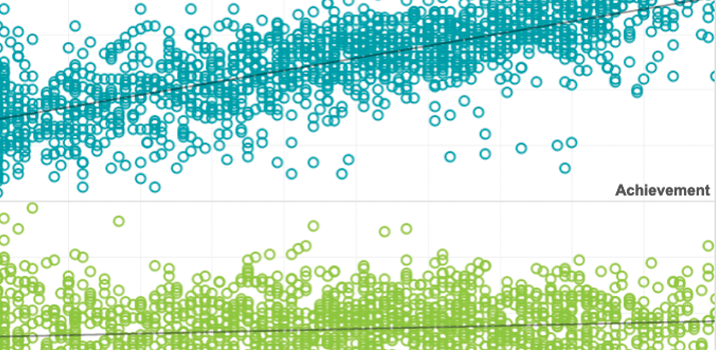
Building on NWEA’s previous research series focused on math and reading achievement, we now explore how the pandemic influenced student achievement in science. To our knowledge, this represents the first large-scale, in-depth analysis of how science achievement in the U.S.1 was influenced by the COVID-19 pandemic. As part of this study, our researchers examined science test scores across seven school years to understand how COVID-19 influenced science achievement.
See MoreTopics: COVID-19 & schools, Equity, Growth
Associated Research


Related Topics
User Guide and FAQ: MAP Growth National Dashboard
This user guide explains how to navigate the MAP® Growth™ National Dashboard, understand the key metrics and terms, make appropriate comparisons of data, and communicate findings responsibly. This guide also includes a robust “Frequently Asked Questions” section that provides in-depth answers about the dashboard and its uses.
Products: MAP Growth
Topics: Growth

Technical Appendix: MAP Growth National Dashboard
This is the accompanying technical appendix to the MAP Growth National Dashboard providing more details of the data and describing more fully the sample and methods used within the dashboard.
Products: MAP Growth
Topics: Growth
Using data from the MAP Growth National Dashboard, this Trends Snapshot report focuses on academic growth trends post-COVID and points to a positive turn for U.S. reading after years of stagnation. This positive trend was also noted for historically underserved groups who showed the largest reading gains from 2025 to 2026.
Products: MAP Growth
Topics: COVID-19 & schools, Growth, Math & STEM, Reading & language arts

Getting Algebra Placement Right: Expanding Opportunity and Strengthening Preparation
This research brief examines whether taking Algebra in 8th grade instead of 9th grade improves student outcomes. Using a nationwide sample of MAP Growth scores for middle schoolers, NWEA researchers looked at how many students who were ready for Algebra actually enrolled, and how outcomes were affected for students who were or were not ready for the course.
Products: MAP Growth
Topics: Empowering educators, Growth, Informing instruction, Math & STEM, Middle school
This is the technical appendix to the research brief, “Getting Algebra Placement Right: Expanding Opportunity and Strengthening Preparation,” which examines whether taking Algebra in 8th grade instead of 9th grade improves student outcomes.
Products: MAP Growth
Topics: Empowering educators, Growth, Informing instruction, Math & STEM, Middle school

Struggling adolescent readers left behind: Evidence of post-COVID-19 declines and pathways forward
Using data from the MAP Growth National Dashboard, this research brief highlights an urgent challenge in academic recovery: middle school reading. While students have shown encouraging progress in math and elementary reading since the pandemic, reading achievement among grades 6-8 remain stagnant, with the lowest-performing students falling even further behind.
Products: MAP Growth
Topics: COVID-19 & schools, Empowering educators, Growth, Middle school, Reading & language arts
This is the technical appendix to the “Struggling adolescent readers left behind: Evidence of post-COVID-19 declines and pathways forward” research brief, which highlights an urgent challenge in academic recovery: middle school reading.
Products: MAP Growth
Topics: COVID-19 & schools, Empowering educators, Growth, Middle school, Reading & language arts